Showing posts with label music therapist. Show all posts

Wednesday, February 10, 2016

A CMF Therapist Testimonial

Music Therapy: Healing Through Music 
Contributors: Brooke Sinang, MT-BC; Content by Josh Pineda Children’s Music Fund (CMF) therapists are continually motivated to help children heal through music. We here at CMF want to share some stories of music therapy in action, from the perspective of our certified and outstanding therapists The following is one example of music therapy at work, using musical treatments to reach wellness goals. CMF therapist Brooke Sinang shares an experience she had with one of her teenage patients who used songwriting to both work through her problems, as well as set up a path for her future: "I worked as a music therapist with a 16 y/o female who was struggling with addiction to marijuana and mental health issues. She was born to an abusive family and eventually was adopted by a caring woman who then became terminally ill. Her adoptive mother was actively dying during the time she was in treatment. She had a lot of anger, grief, identity issues among other social-emotional difficulties. I worked with her using music therapy songwriting techniques to allow her to find her voice and express her emotions. This young woman was not yet ready to process the loss of her mother at that time, but instead was able to process fears about college, finding a job and staying sober after her mom was gone. I helped her to find a reggae beat inspired by one her favorite artists Bob Marley, and taught her the chords on keyboard. We wrote lyrics together outlining her fears, goals and dreams, she sang and played several tracks until she was satisfied with the finished result. We then verbally processed practical steps, such as internships and volunteer work, which would enable her to get where she wanted to go. After the recording was finished, she smiled and expressed that she couldn't believe she had written a song. Her sense of worth, and feelings of empowerment was palpable and she no longer seemed overwhelmed with anxiety about the future. She had been able to use the music to process and validate her current feelings, and also create a future using tangible goals and a plan of action. All of this created a song that she felt proud of. " In this amazing case of therapeutic methods in action, music therapy techniques helped to rehabilitate and emotionally heal a teenager and put her on the right path towards success. Using an effective personalized approach, Brooke Sinang was able to help her patient cope and reach her goals, in way that was truly inspiring and influential. Our music therapists are trained to provide this quality of care and investment, delivering support to children in need. Music therapy is a valuable practice in helping to build healthy individuals and communities, all through the power of musical performance and expression. Help us to connect patients with our incredible team of music therapists by donating or volunteering today. Visit www.theCMF.org for more information.

Monday, February 1, 2016

Therapeutic Techniques of The Trade

Contributors: Brooke Sinang, MT-BC, Jessica Brizuela MT-BC, and Raffi Tachdjian, MD, MPH, Content by Josh Pineda.
Illustration by Sienna Holmes

Children’s Music Fund (CMF) continually strives to promote the powerful ways that music can help heal through Music Therapy. What most people don’t realize is that you can adapt these therapeutic exercises to your daily routine, as a means of stress-relief and meditation. The American Music Therapy Association notes that music therapy targets seven treatment goals: overall wellness, stress management, expression of feelings, communication, improvement of memory, and physical rehabilitation. As CMF promotes, there are many ways to use music to treat non-musical goals, including the following simple practices suggested by our own CMF therapists.

As our founder and president Dr. Raffi Tachdjian notes, “Music therapy provides that reassurance, self-acceptance, and empowerment of the developing personality. With proper and adequate use of music therapy, [patients] can achieve great heights in the physical, psychological, and social aspects of his or her daily life.” Music therapy is both a healthful practice and an invigorating experience, which helps anyone cope with their problems through the power of musical engagement and performance.

Not only is it energizing exercise but music therapy is also an excellent means of self-expression and discovery, especially for youth. “Often teens have difficulty expressing their emotions verbally, and lyrics can help them to find the right words to express and relate to their emotions,” states CMF therapist Brooke Sinang. “Many times I hear adolescents say that they can relate to music that is dark, depressing or angry. It can be extremely validating and therapeutic for teens to be able to process these emotions and learn more about themselves in order to effectively change.” For these adolescents, music provides them with a means of communicating their emotions at a point in their life when feelings are confusing and generally inarticulated. By finding and listening to music that mirrors one’s emotions, music therapy becomes a comfortable way of working out problems and discovering one’s passions.

There’s easy ways of integrating effective music therapy techniques into your daily regimen. As an accessible daily practice,CMF therapist Jessica Brizuela suggests using lyrical interpretation as a stress-relieving tool. In one example, she notes a contemporary song that serves as a great therapeutic exercise—Stressed Out by the duo Twenty-One Pilots: “It is great for teens to relate to as it lists all the worries in the verses, then the chorus validates those stressed feelings, "wish we could turn back time to the good old days when our mommas sang us to sleep but now we're stressed out." Teens can integrate music therapy techniques by creating their own lyrics (lyric substitution) to the verses, writing out their worries. Sometimes, it's good to just let them out - writing or saying it so that they are not left inside.” It’s amazing how these simple exercises can prove so incredibly beneficial in aiding patients self-sooth. 

Music therapy has incredible effects, not just on individuals, but their surrounding community as well. Our founder puts it best: “The power of music therapy can be used as a tremendous positive impact for teenagers, their families and friends, and society in general. Their story building (imagery) through music therapy becomes their voice and their words. Their musical instrument delivers the notes and lyrics that make up that story that needs to be communicated: Therein lies the 'therapy’.” 

Music is a cultural process and by helping children heal and express themselves through listening and playing instruments, music therapy helps improve the community one child at a time. Help us on our mission of healing through music by donating or volunteering today. Visit www.theCMF.org for more information.

Thursday, January 21, 2016

Children’s Music Fund hosts ‘Laughter is Medicine’ 8: CMF in CHOC


Irvine, CA (January 19th, 201)–On Monday, January 25th, the Children’s Music Fund (http://thecmf.org/) (CMF) will hold its 8th annual Laughter is Medicine charity event at the Improv in the Irvine Spectrum Center in Irvine,  California. The event will feature comedians Eric Schwartz and Debi Gutierrez.

Eric Schwartz (also known as "Smooth-E") is an American comedian, musician, and actor from Thousand Oaks, California known for his energetic blend of stand-up comedy, music, and video. Eric's viral videos and parodies have earned him international media attention and he has been featured on The Tonight Show with Jay Leno, Showtime, BET, TMZ, and The Huffington Post.


Besides her many television appearances, Debi Gutierrez is best known for being an explosively funny comedian who takes her audiences on a high-energy, heart-warming roller coaster ride through the perils and delights of life, relationships and marriage.
The Laughter is Medicine event is one of the primary fundraisers for the CMF, which was established in 2002 by Dr. Raffi Tachdjian, an allergist and pediatric pain specialist.
“Laughing, like music therapy, releases endorphins, which relieving pain and anxiety,” says Raffi Tachdjian, MD, MPH, President and Founder of CMF.”
Last year, CMF teamed up with Children’s Hospital Orange County (CHOC)  to bring a Board Certified Music Therapist into the Neonatal Intensive Care Unit (NICU) to help these tiny babies leave the NICU faster.


"Premature babies respond amazingly well to positive stimuli. These include a parent's voice, rhythmic and soft melodic music, and human touch. These are all things that Music Therapy can provide", says Dr. Raffi Tachdjian.


The event is sponsored by Aire Medical, ACap Asset Management, Axelacare, and MedicoRX
Proceeds from Laughter is Medicine 8 will go to the continued support for Music Therapy in the NICU at CHOC. Tickets can be purchased here: http://bit.ly/1ZwYJwf


Friday, October 30, 2015

10 Incredible Things that You Made Happen!

CHOC_HighRes_v2-Copy
Children's Hospital Orange County
As the Children's Music Fund kicks off its annual campaign, we want to reflect on the past year and say "Thank You!" Without your continued support of CMF, we wouldn't be able to serve chronically ill children in and out of the hospital. We will be sharing "10 incredible things..." with a new story each week throughout the campaign, please comment and share!

Number 10:

One area that we have been able to make tremendous progress is in the Neo-Natal Intensive Care Unit at Children's Hospital Orange County (CHOC)
Here's what CHOC, has to say about CMF!
I would love to share why we are so grateful for the Children's Music Fund.
The impact of music therapy on our NICU has been immeasurable!  Thanks to this incredible gift we are able to create both stimulating and relaxing moments, both of which help our tiny babies heal.  This new intervention also educates our medical staff on the value and impacts of therapeutic supports for premature patients.  The staff also benefit from not only knowing their patients are being cared for in such a special manner, but also by feeling the difference music makes on their professional day.

Stephanie DeMello, MS, CCLS
Child Life Manager
CHOC Children's Hospital
Together we are doing great things!
Click HERE to participate in this year's Annual Fund!

Thursday, March 26, 2015

What Exactly is Music Therapy?


According to the American Music Therapy Association, "Music Therapy is the clinical and evidence-based use of music interventions to accomplish individualized goals within a therapeutic relationship by a credentialed professional who has completed an approved music therapy program"1

What Music Therapy Is...and Is Not

The more music the better, bring it on!
"But clinical MUSIC THERAPY is the only professional research-based discipline that actively applies supportive science to the creative, emotional, and energizing experiences of music for health treatment goals."1

Music Therapy is: 
• Music Therapists must have a bachelor's degree or higher in music therapy
• Music Therapists have completed 1200 hours of clinical training.
• Music Therapists Must hold a MT-BC credential, issued through Certification Board for Music  Therapists, which protects the public by ensuring competent practice and requiring continuing education.
• Music Therapy is an evidence based health profession with a strong research foundation.
• Music therapy degrees require knowledge in psychology, medicine and music.

Music Therapy is Not:
• A person with dementia listening to his favorite songs on an iPod with headphones.
• Celebrities performing at hospitals or schools.
• A piano player in a hospital
• Nurses playing background music for patients
• A choir singing on the pediatric floor of a hospital
"Music Therapy can make the difference between withdrawal and awareness, between isolation and interaction, between chronic pain and comfort - between demoralization and dignity" - Barbara Crowe (past president of National Association for Music Therapy) 
 At CMF our Board Certified Music Therapists:
• Work with children with brain injuries or brain trauma to help reconnect neurons and increase brain activity.
• Work with children to reduce asthma episodes
• Work with children in the hospital to reduce pain
• Work with children who have autism to improve communication capabilities and decrease stress and anxiety
• Work with pre-mature infants to improve sleep patterns and increase weight gain.
"Music is universal but it is also highly individual and empowering."2 
Music therapy is so individualized that "going forward doctors may actually be prescribing a 'course' of musical numbers"3

 Imagine getting a prescription for your very own "mixed tape" from your doctor!

Children's Music Fund is a non-profit 501(c) 3 organization  committed to provide music therapy and bring the healing power of music to children with life altering and chronic conditions.  For more information or to make a donation please visit our website:  www.thecmf.org 

1. American Music Therapy Association http://www.musictherapy.org
2. Music As Medicine: A Historical Perspective and Review of Select Clinical Applications, Alternative and Complementary Therapies, October 2013 Talin Babikian, Lonnie Zeltzer, Vartan Tachdjian, Lindsay Henry, Elan Javanfard, Lara Tucci, Mary Goodarzi , Raffi Tachdjian 
3. Music is medicine to the brain..!! Dr. NK Venkataramanaa BGS Global Institute of Neurosciences

Wednesday, February 18, 2015

What happens to the Body During Music Therapy?

Music’s therapeutic qualities are impressive and far reaching.  In pain management, music provides distraction and cognitive imagery to aide relaxation.  It also reduces pain perception by blocking pain impulses to the brain at the spinal cord and releasing endorphins, which make us feel good.  Therapeutic music can also help restore lost abilities, such as memory deficits in dementia, or speech and motor deficits following a brain injury or stroke.  One of the fastest growing clinical applications of music therapy is with children with autism spectrum or other developmental disorders, helping improve self-expression, as well as social and shared communication, and perhaps reaching even less measurable goals such as improving self-esteem and quality of life.  
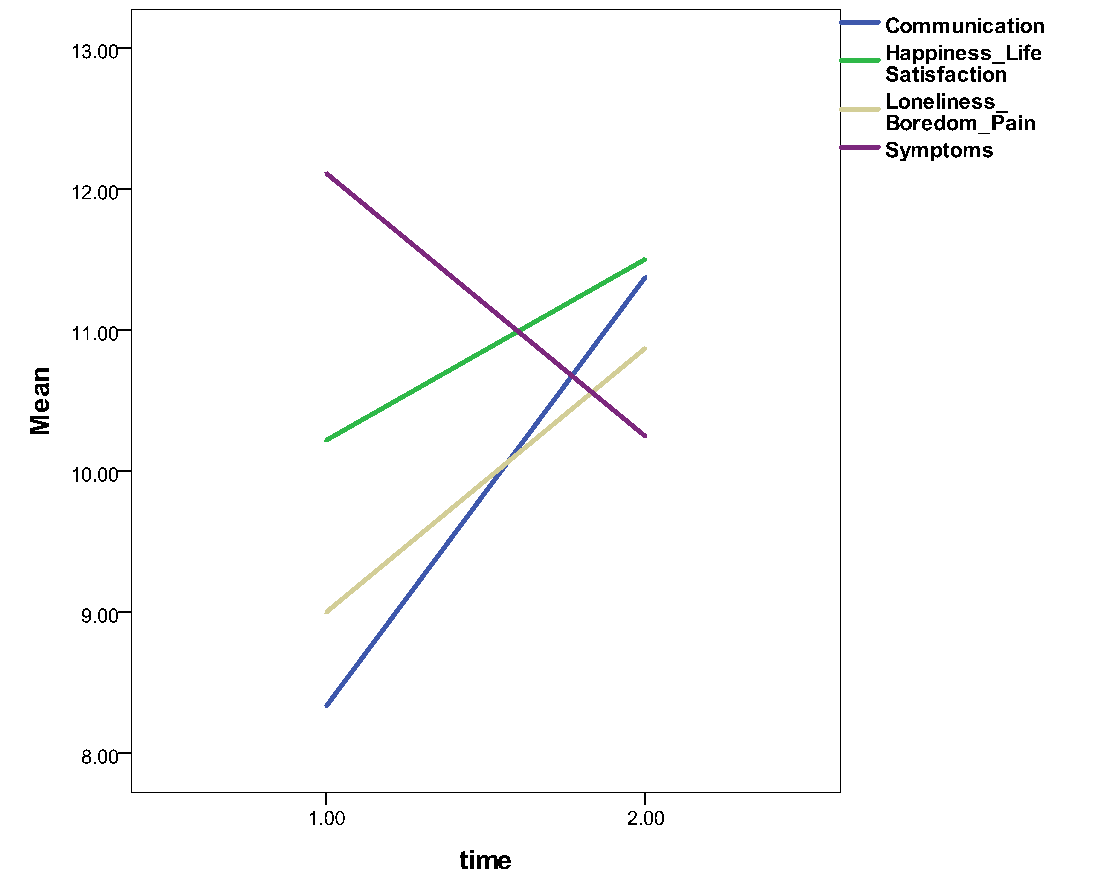
At Children's Music Fund (CMF), we ask parents of children we serve to monitor many different aspects of their child’s functioning and their presenting symptoms before and after a 16-session cycle of CMF funded music therapy.  Parents have told us that after their work with our music therapists, they have noticed improvements in their child’s communication skills, an increase in their general happiness and life satisfaction, an improvement (decrease in) loneliness and boredom, and a decrease in symptoms of pain and anxiety.   

Seeing is believing... Joesph and CMF music therapist Melinda - show us huge smiles after their session.

If you know of a child with a chronic condition or life-altering illness, applications for individual can be found on our website: www.thecmf.org
for more information contact 310-428-0589 or email info@thecmf.org

Monday, February 2, 2015

What is it like to be a Music Therapist?

What's it like to be a Music Therapist with Children's Music Fund?

Children's Music Fund provides individual music therapy for 16 week cycles for children with life altering and chronic conditions. We asked one of our board certified music therapists to give us her thoughts on one of her most recent clients. 

“I’m obviously really good at this.” Jared told me rather matter-of-factly as he finished playing “The Ants Go Marching” on the piano. It took quite a bit of effort not to laugh but to agree with this serious, almost 8 year old.  Jared had begun piano lessons while hospitalized for 6 months fighting Non-Hodgkins Lymphoma.  I was sent by The Children’s Music Fund to provide Music Therapy and to continue the piano once Jared was discharged.  

When I met Jared's family, they were readjusting to “normalcy” and putting the illness behind them.  Although Jared remained the center of attention, the focus and furor at the illness had changed.  Jared was struggling to cope.

Jared is a bright, articulate, perceptive, and musical child. Every week we began with drumming, helping to release and redirect anger.  We explored and improvised on a different instrument every week: ukuleles, glockenspiel, pan flutes, tone chimes, melodica, kalimba, autoharp, as well as numerous percussion instruments.   Being both creative and inquisitive, Jared was delighted to experiment and to create his own music on each instrument.  Time at the piano was also structured and unstructured, allowing for self-expression.  We ended our sessions by singing / reading a book.  At the beginning I sang a page, Jared read a page. However, as weeks passed, Jared began to sing his page happily.  Together we sang and played our “Goodbye” song.

Jared finished the 16 weeks of music therapy confirming that he is a very talented and gifted person.  With increased self-confidence, he learned the importance of expressing himself through music. At only 8 years old, he has developed a deeper appreciation of music and how it makes him feel. No doubt that music will always be an important aspect in his life.  


What a great job I have!

Cathy O'Neil, MT-BC 
CMF Music Therapist

(Name of the client has been changed for privacy purposes.)